
Digital Marketer in Bangladesh 2025: Strategies for Success
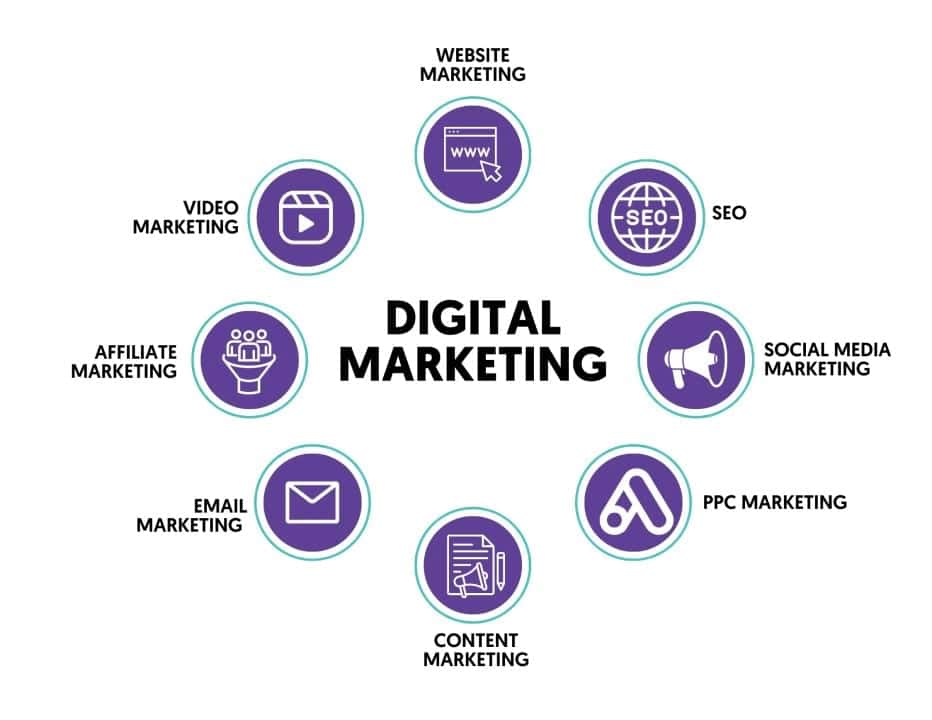
Best Digital Marketer in Bangladesh 2025. Digital marketing has transformed how businesses interact with their audiences, and as we move into 2025, the landscape continues to evolve. Staying ahead of new trends, technologies, and best practices is essential for any brand aiming to succeed in this dynamic environment. This blog explores the most important digital marketing trends, tools, and strategies for 2025, and how businesses can leverage them to stay competitive.
1. Artificial Intelligence: Transforming Marketing Strategies
Artificial intelligence (AI) is no longer a futuristic concept—it’s an integral part of modern marketing. In 2025, AI will continue to revolutionize customer service, content creation, and data analysis. AI-powered tools are automating everything from email campaigns to customer service with chatbots, making marketing processes more efficient and personalized.
Additionally, machine learning algorithms allow businesses to analyze customer behaviors and predict trends, enabling smarter decision-making and more targeted campaigns.
Tip: Explore AI tools that can enhance personalization, improve customer engagement, and optimize your ad spend through advanced data analytics.
2. Video Content Dominance
Video remains the most engaging content format, and in 2025, it will be even more critical. From short-form videos on TikTok and Instagram Reels to live streaming on platforms like Facebook and YouTube, video is essential for catching your audience’s attention and building brand awareness.
Platforms are shifting to favor video content in their algorithms, making it crucial for businesses to incorporate video into their marketing strategies. Whether for brand storytelling, tutorials, or product demos, video content is an excellent way to connect with your audience.
Tip: Create videos that tell a story, show behind-the-scenes content, or share user-generated testimonials to enhance engagement. Focus on high-quality, concise content for platforms like TikTok.
3. Voice Search Optimization: Adapting to the New Norm
With the rise of smart speakers and voice assistants, voice search has become an integral part of how consumers find information. By 2025, voice search will play an even larger role in the search engine landscape, making it critical for businesses to adapt their SEO strategies.
Voice search often involves conversational phrases and questions, so businesses must optimize their content for long-tail keywords and natural language. Local businesses, in particular, will benefit from optimizing their content for voice search queries.
Tip: Ensure your content answers frequently asked questions and is optimized for snippets. Focus on local SEO to capture voice search queries related to nearby services or products.
4. Social Commerce & Influencer Marketing
Social commerce is on the rise, and it’s predicted to grow exponentially in the next few years. With platforms like Instagram, Facebook, and TikTok now allowing users to make purchases directly through their apps, social commerce is transforming how brands sell products. In addition, influencer marketing remains a powerful tool for expanding reach and credibility.
Consumers trust influencer recommendations, and leveraging micro and nano influencers can help build authenticity for your brand. By partnering with influencers in your industry, you can tap into their established trust and loyal following.
Tip: Focus on building authentic partnerships with influencers who share your brand values. Measure the success of your campaigns through analytics and use this data to refine your strategy.
5. Hyper-Personalization for Better Customer Engagement
Personalization is no longer a luxury; it’s a fundamental part of customer experience. Consumers expect tailored experiences, and businesses that can deliver personalized content, offers, and communications are more likely to drive conversions. Using data analytics and customer insights to create targeted, relevant messaging is key.
Whether it’s personalized email marketing or product recommendations based on past behavior, businesses must use first-party data to craft individualized experiences that resonate with each customer.
Tip: Use customer data to create dynamic content that speaks directly to their preferences. Implement personalization across all touchpoints, from your website to email and social media.
6. Privacy and Data Security: Gaining Trust
As digital marketing evolves, so do concerns about data privacy and security. With regulations like GDPR and CCPA in place, brands must be transparent about how they collect and use customer data. In 2025, trust will be an essential factor in building and maintaining customer relationships.
Consumers want assurance that their personal information is secure, and brands that prioritize data privacy will foster stronger trust and loyalty.
Tip: Review your privacy policies regularly to ensure compliance with local laws and regulations. Be transparent with your audience about how their data is used and provide easy opt-out options.
7. The Emergence of AR and VR: Redefining Customer Experience
Augmented reality (AR) and virtual reality (VR) are technologies that are slowly gaining traction in marketing. While they may not be mainstream yet, they present exciting opportunities to create immersive experiences for customers. Brands can use AR to let customers try products before purchasing (think virtual try-ons in the beauty and fashion industries), while VR can deliver immersive experiences such as virtual product demonstrations or virtual events.
By 2025, AR and VR will become increasingly accessible and affordable for brands, creating unique ways to engage customers.
Tip: Explore AR for virtual product demos or try-before-you-buy experiences. Use VR for immersive brand storytelling, virtual events, or virtual shopping experiences to captivate your audience.
Conclusion: Future-Proofing Your Digital Marketing Strategy
Best Digital Marketer in Bangladesh 2025. Digital marketing in 2025 will be shaped by rapid technological advancements and evolving consumer expectations. To stay competitive, brands must embrace AI, leverage video content, optimize for voice search, and focus on personalization. Social commerce, influencer marketing, and immersive technologies like AR/VR will also play a pivotal role in shaping how businesses engage with their audiences.
To succeed in this fast-changing landscape, marketers must continuously innovate, experiment with new tools, and always prioritize delivering value and meaningful connections with their customers.
By staying informed and agile, your business can harness the power of digital marketing to build stronger relationships, increase brand awareness, and drive sales in the years ahead.
Digital Marketer in Bangladesh 2025: Strategies for Success
Best Digital Marketer in Bangladesh 2025. Digital marketing has transformed how businesses interact with their audiences, and as we move into 2025, the landscape continues to evolve. Staying ahead of new trends, technologies, and best practices is essential for any brand aiming to succeed in this dynamic environment. This blog explores the most important digital marketing trends, tools, and strategies for 2025, and how businesses can leverage them to stay competitive.
1. Artificial Intelligence: Transforming Marketing Strategies
Artificial intelligence (AI) is no longer a futuristic concept—it’s an integral part of modern marketing. In 2025, AI will continue to revolutionize customer service, content creation, and data analysis. AI-powered tools are automating everything from email campaigns to customer service with chatbots, making marketing processes more efficient and personalized.
Additionally, machine learning algorithms allow businesses to analyze customer behaviors and predict trends, enabling smarter decision-making and more targeted campaigns.
Tip: Explore AI tools that can enhance personalization, improve customer engagement, and optimize your ad spend through advanced data analytics.
2. Video Content Dominance
Video remains the most engaging content format, and in 2025, it will be even more critical. From short-form videos on TikTok and Instagram Reels to live streaming on platforms like Facebook and YouTube, video is essential for catching your audience’s attention and building brand awareness.
Platforms are shifting to favor video content in their algorithms, making it crucial for businesses to incorporate video into their marketing strategies. Whether for brand storytelling, tutorials, or product demos, video content is an excellent way to connect with your audience.
Tip: Create videos that tell a story, show behind-the-scenes content, or share user-generated testimonials to enhance engagement. Focus on high-quality, concise content for platforms like TikTok.
3. Voice Search Optimization: Adapting to the New Norm
With the rise of smart speakers and voice assistants, voice search has become an integral part of how consumers find information. By 2025, voice search will play an even larger role in the search engine landscape, making it critical for businesses to adapt their SEO strategies.
Voice search often involves conversational phrases and questions, so businesses must optimize their content for long-tail keywords and natural language. Local businesses, in particular, will benefit from optimizing their content for voice search queries.
Tip: Ensure your content answers frequently asked questions and is optimized for snippets. Focus on local SEO to capture voice search queries related to nearby services or products.
4. Social Commerce & Influencer Marketing
Social commerce is on the rise, and it’s predicted to grow exponentially in the next few years. With platforms like Instagram, Facebook, and TikTok now allowing users to make purchases directly through their apps, social commerce is transforming how brands sell products. In addition, influencer marketing remains a powerful tool for expanding reach and credibility.
Consumers trust influencer recommendations, and leveraging micro and nano influencers can help build authenticity for your brand. By partnering with influencers in your industry, you can tap into their established trust and loyal following.
Tip: Focus on building authentic partnerships with influencers who share your brand values. Measure the success of your campaigns through analytics and use this data to refine your strategy.
5. Hyper-Personalization for Better Customer Engagement
Personalization is no longer a luxury; it’s a fundamental part of customer experience. Consumers expect tailored experiences, and businesses that can deliver personalized content, offers, and communications are more likely to drive conversions. Using data analytics and customer insights to create targeted, relevant messaging is key.
Whether it’s personalized email marketing or product recommendations based on past behavior, businesses must use first-party data to craft individualized experiences that resonate with each customer.
Tip: Use customer data to create dynamic content that speaks directly to their preferences. Implement personalization across all touchpoints, from your website to email and social media.
6. Privacy and Data Security: Gaining Trust
As digital marketing evolves, so do concerns about data privacy and security. With regulations like GDPR and CCPA in place, brands must be transparent about how they collect and use customer data. In 2025, trust will be an essential factor in building and maintaining customer relationships.
Consumers want assurance that their personal information is secure, and brands that prioritize data privacy will foster stronger trust and loyalty.
Tip: Review your privacy policies regularly to ensure compliance with local laws and regulations. Be transparent with your audience about how their data is used and provide easy opt-out options.
7. The Emergence of AR and VR: Redefining Customer Experience
Augmented reality (AR) and virtual reality (VR) are technologies that are slowly gaining traction in marketing. While they may not be mainstream yet, they present exciting opportunities to create immersive experiences for customers. Brands can use AR to let customers try products before purchasing (think virtual try-ons in the beauty and fashion industries), while VR can deliver immersive experiences such as virtual product demonstrations or virtual events.
By 2025, AR and VR will become increasingly accessible and affordable for brands, creating unique ways to engage customers.
Tip: Explore AR for virtual product demos or try-before-you-buy experiences. Use VR for immersive brand storytelling, virtual events, or virtual shopping experiences to captivate your audience.
Conclusion: Future-Proofing Your Digital Marketing Strategy
Best Digital Marketer in Bangladesh 2025. Digital marketing in 2025 will be shaped by rapid technological advancements and evolving consumer expectations. To stay competitive, brands must embrace AI, leverage video content, optimize for voice search, and focus on personalization. Social commerce, influencer marketing, and immersive technologies like AR/VR will also play a pivotal role in shaping how businesses engage with their audiences.
To succeed in this fast-changing landscape, marketers must continuously innovate, experiment with new tools, and always prioritize delivering value and meaningful connections with their customers.
By staying informed and agile, your business can harness the power of digital marketing to build stronger relationships, increase brand awareness, and drive sales in the years ahead.